The Fascinating World Of Stingless Bees
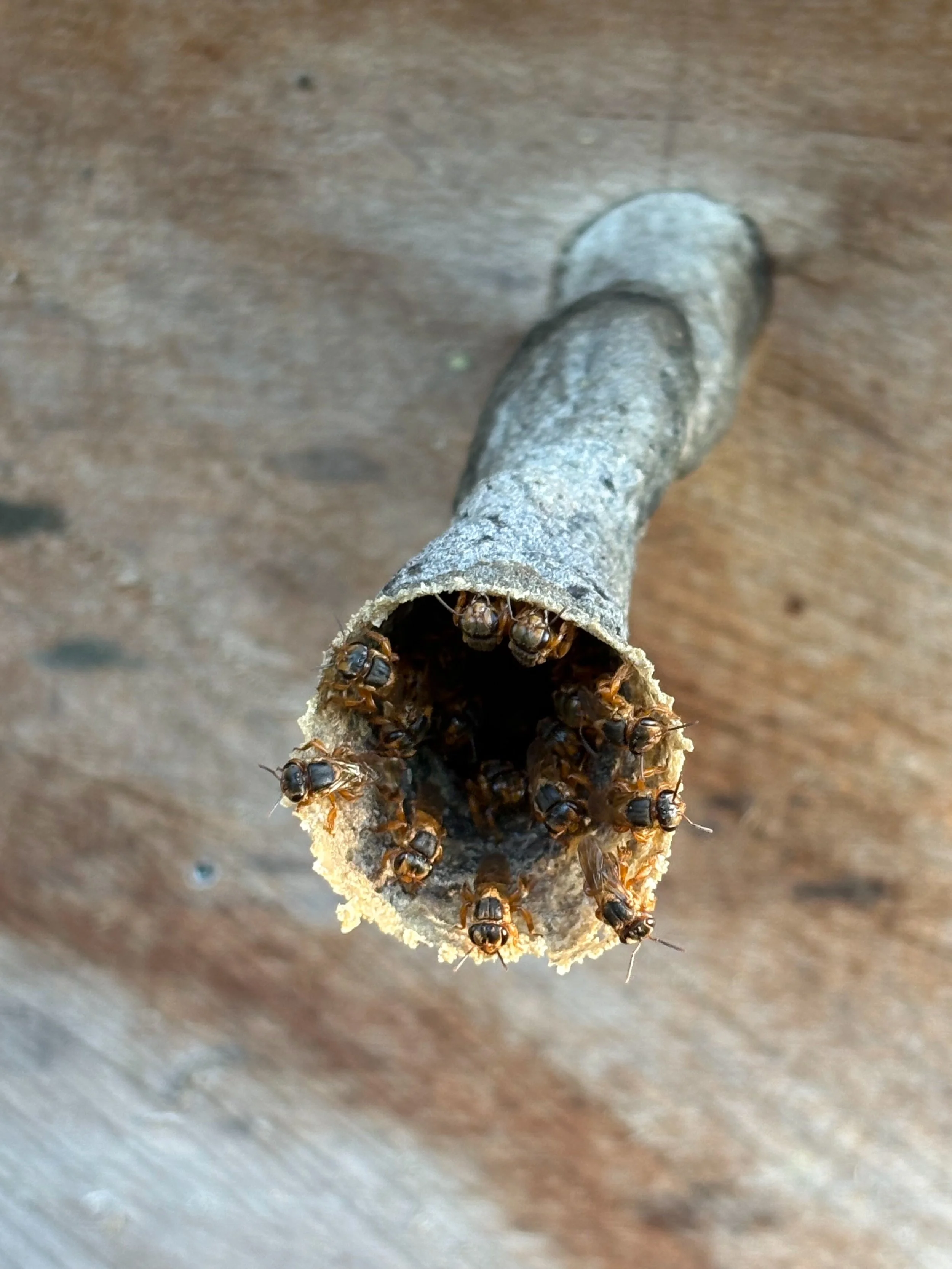
Stingless bees, or Meliponini, are a diverse group of over 600 species in the family Apidae, including genera like Melipona, Trigona, and Scaptotrigona. Found in tropical and subtropical regions such as Central and South America, Africa, Southeast Asia, and Australia, these bees are essential pollinators for many native plants and crops. Unlike honeybees, stingless bees lack functional stingers, relying instead on other defense mechanisms and behaviors. Their specialized foraging on tropical plants and targeted resin collection contribute significantly to the unique properties of their honey and propolis.
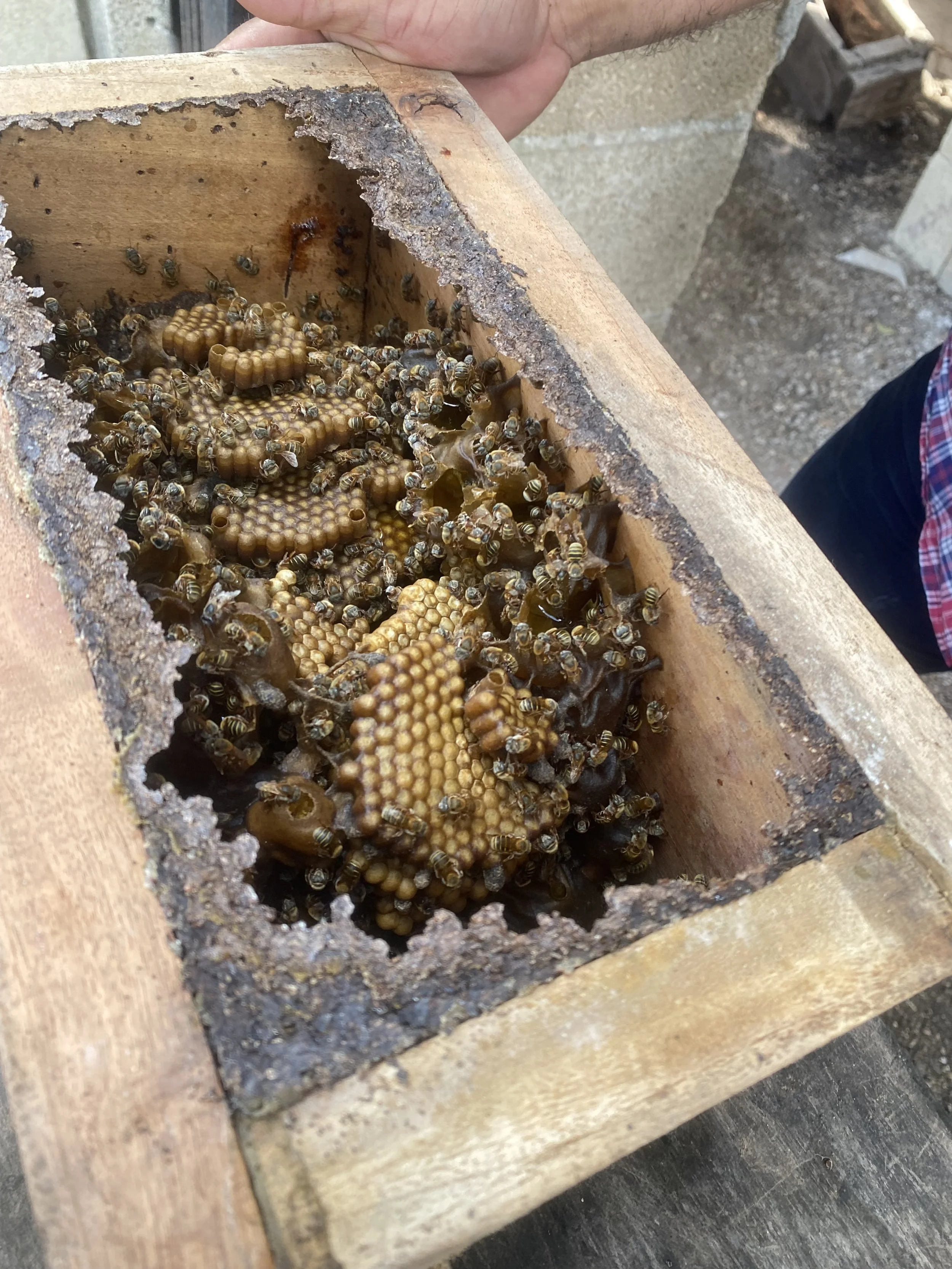
Stingless bee honey is highly distinctive—less viscous and with an acidic, often slightly fermented flavor influenced by the plants the bees visit and their resinous hive storage. Unlike Apis mellifera, stingless bees produce honey in small, waxy pots, which infuse the honey with additional aromatic and resinous notes. Yields are much smaller—only about 2 liters per year per hive. Stingless bee honey is highly prized for both its unique taste and medicinal properties.
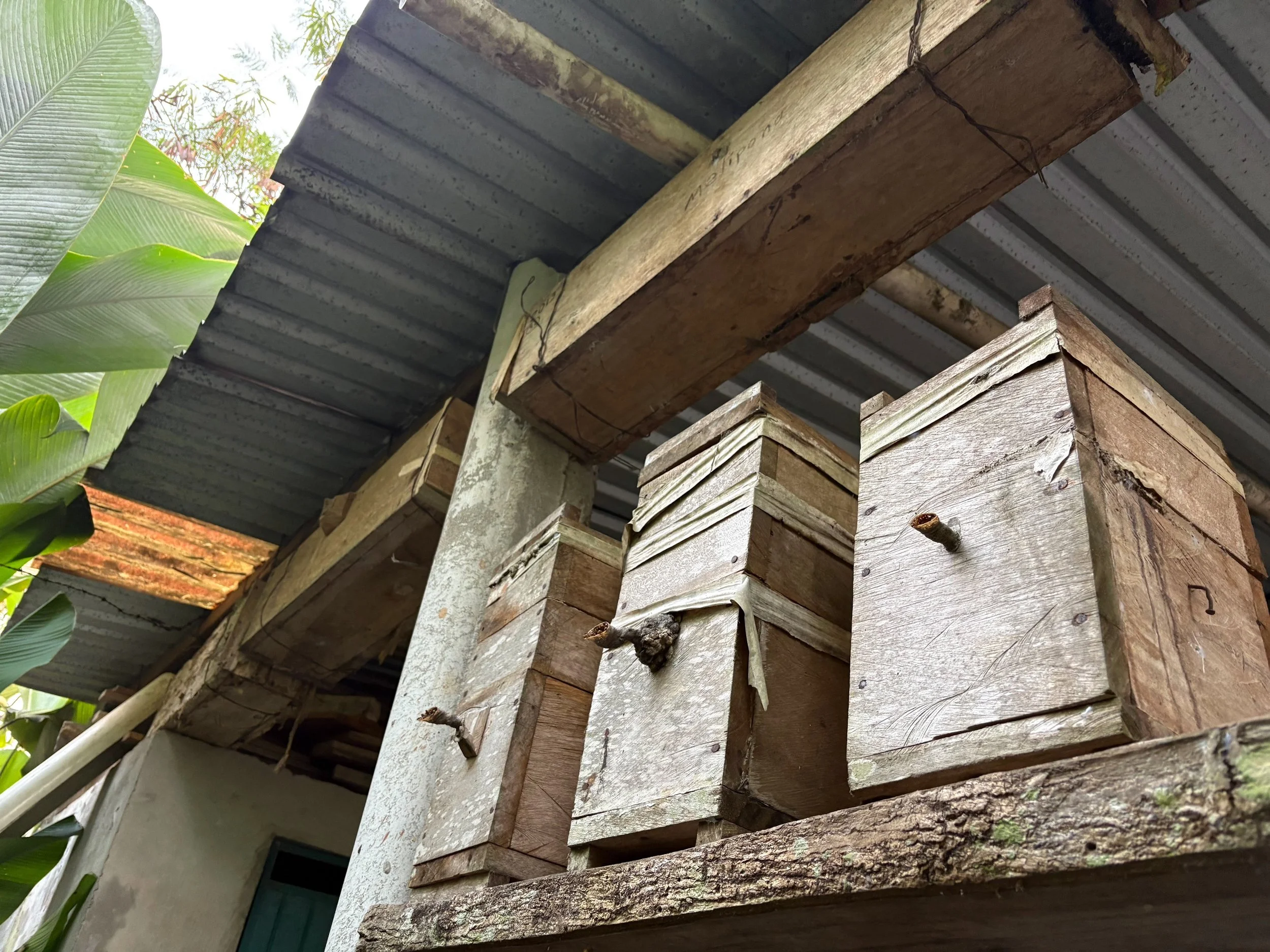
Humans have cultivated stingless bees for over 3,000 years, with notable species like Melipona beecheii playing a central role in Mayan culture. Their honey, often called "medicinal honey," has been used traditionally for wound healing, respiratory issues, and digestive health, while propolis is valued for its antimicrobial and anti-inflammatory properties. Modern research supports these uses, linking the bees’ unique foraging habits and hive environments to the exceptional qualities of their products, with studies exploring applications in combating antibiotic-resistant bacteria and even cancer.
Stingless bees are indispensable to tropical biodiversity and represent a sustainable source of culturally and medicinally significant products, bridging ancient traditions and modern science.